
The changes I didn’t know I needed until I quit my job as a designer
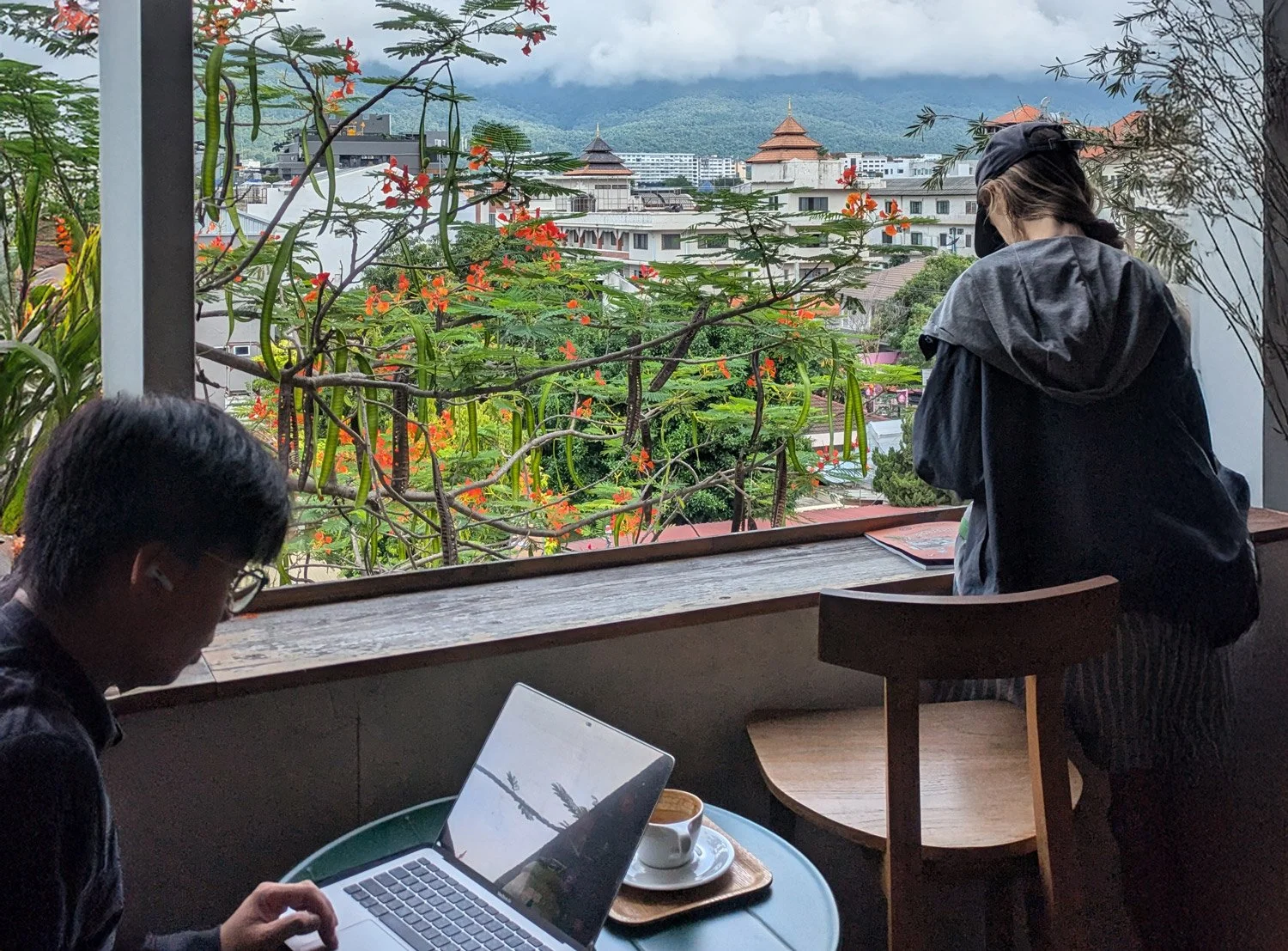
For a long time, I thought something was wrong with me.
I loved design. I loved thinking creatively. But sitting at a desk from 9–5, being expected to produce ideas on demand, felt heavy. Unnatural. Like trying to force a tide to come in early. I had been working for seven years in design agencies trying to reach the role of Creative Director, but when I moved into a Senior Design role, I was still so unhappy. I was one position below Creative Director, I had a junior team, an alright salary but I still felt so drained, so uninspired, so burnt-out and drained.
Then one day, walking to work I was listening to a podcast that resonated with me and the position I was in. The man said more success doesnt lead to more happiness. All week I thought about this. I realised nothing I was doing had my happiness in mind – I was working towards success, and these short-term milestones expecting them to make me happy.
When I quit my full-time design role to pivot my life to be centred around happiness instead of my position in the workforce, I expected uncertainty. What I didn’t expect was clarity, and an balance.
Creativity doesn’t run on a schedule
I realised pretty quickly that my best ideas were never born at my desk.
They showed up while standing in the supermarket line. Walking along the beach. Halfway through a coffee. In moments where my brain had space to wander instead of perform.
Packing creativity into set hours didn’t boost my productivity; it cut me off from the reason I was hired. Being paid to work on a rigid schedule, then judged by a performance review for how “creative” I’d been, felt almost absurd.
Lunch breaks weren’t breaks
Working from a windowless room, a lunch break stopped being about refuelling my mind. It became an escape from my desk.
An hour to get outside. To see daylight. To remember there was a world beyond screens and timelines. Inspiration wasn’t something I found during those breaks, it was something I was desperately missing during the rest of the day.
Now I set my own schedule. Each day is organised around what I want to accomplish, and I take lunch breaks whenever I need them and for as long as feels right. The work still gets done, but on a timetable that lets me perform at my best.
I don’t need a desk to think deeply
Stepping away from the traditional structure showed me something simple but powerful: I don’t need to be tied to a desk to do meaningful creative work. I need movement. Light. Quiet. Trust in my own rhythm.
When those things are present, the ideas come naturally, and they’re better for it.
Quitting clarified who I want to work with
Leaving also sharpened my perspective on people. It became clear who I want to work with, who I want on my team, and what kind of energy I want around me. I’m not interested in rushed timelines for the sake of speed, or relationships built purely on output.
I want to build an audience, and client relationships, with people who want to work with me as much as I want to work with them. Aligned in pace, values, and respect for the creative process.
The work didn’t disappear, it evolved
Quitting didn’t make me less ambitious. It made me more intentional. The work didn’t dry up. It deepened. It became more thoughtful, more human, and more aligned with the way I actually function.
Sometimes the biggest shift isn’t doing more, it’s letting go of structures that were never designed for you in the first place.
If this resonated with you and you have a project in mind, feel free to schedule a free 15 minute call, or send me an email.